Reviewing Give Many Thanks SVG for Embroidery
As a designer who spends half my life staring at digitized paths and the other half pulling bobbins, I have learned that not every digital file translates well to thread. We live in an era where Crafts and Graphics intersect constantly, especially with the rise of hybrid machines and multi-purpose cutters. Today, I am taking a close, practical look at the Give Many Thanks Svg, Thanksgiving Svg, to determine if it holds up under the needle or if it is better suited for vinyl cutting alone.
The first impression of this design is one of warm, rustic simplicity. The typography suggests a hand-lettered aesthetic, which is popular in the current market for home decor and apparel. However, when we move from screen to fabric, "simple" can sometimes mean "problematic." My initial assessment focuses on the stroke width and the spacing between letters. For a machine embroidery design, these elements are critical. If the lines are too thin, they may disappear into the fabric texture or break during washing. If the kerning is too tight, the stitches will merge, creating a dense blob rather than readable text.
Real-World Application: The Holiday Tote Bag Test
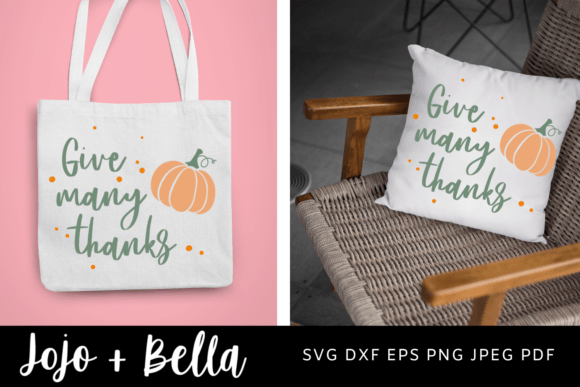
To truly evaluate the Give Many Thanks Svg, Thanksgiving Svg, I simulated a common real-life scenario: creating a custom embroidered tote bag for a boutique client. Tote bags are typically made from canvas or heavy cotton, which provides a stable base but requires careful tension management. I imagined placing this design on the lower right corner of a natural-colored canvas bag, a popular placement for subtle, stylish branding.
In this context, the design’s mood fits perfectly. It evokes gratitude and autumn warmth without being overly kitschy. For an Etsy seller or small shop owner, this versatility is key. You want a design that appeals to a broad audience but still feels personalized. The phrase "Give Many Thanks" is inclusive and timeless, making it suitable for various holiday embroidery projects beyond just Thanksgiving dinner decorations. It works equally well as a personalized gift for a hostess or a staple item in a craft business inventory.
Stitching Clarity and Fabric Considerations
When adapting a vector SVG for embroidery, we must consider how the software converts those paths into stitches. Since the product description mentions it is a Quote SVG compatible with Cricut and Sublimation, it is likely optimized for clean lines. However, for embroidery, we need to ensure the stitch density is appropriate. If you are digitizing this yourself or using an auto-digitizer, pay close attention to the curves in the letters. Sharp corners in SVGs often need to be rounded slightly in embroidery to prevent thread bunching.
I recommend testing this design on different fabric textures. On a smooth quilting cotton, the details will pop. On a textured linen or a fuzzy fleece sweatshirt, finer details might get lost. For a sweatshirt embroidery project, I would suggest increasing the stitch count slightly or using a satin stitch border around fill areas to define the edges against the pile of the fabric. This ensures the finished product looks professional and not muddy.
Another critical factor is the choice of thread colors. While traditional autumn hues like burnt orange, deep red, and mustard yellow are obvious choices, do not overlook the power of contrast. A cream thread on a navy blue hoodie creates a sophisticated, nautical-meets-harvest look that stands out in a crowded marketplace. Always test your color combinations on scrap fabric before committing to the final piece. This simple step saves time, money, and reputation.
Navigating Technical Challenges
There are specific scenarios where the Give Many Thanks Svg, Thanksgiving Svg, requires extra caution. Small hoop sizes, such as 4x4 inches, might constrain the design if it is scaled down too far. Tiny lettering can become illegible if the stitch length is not adjusted. If you are working on a embroidered patch or a cap, the curved surface adds another layer of complexity. Caps, in particular, require specialized stabilizers and often benefit from simpler, bolder designs to accommodate the curvature and the thick seam allowances.
For baby embroidery items, such as onesies or bibs, softness is paramount. High-density stitching can make fabric stiff and uncomfortable against sensitive skin. If using this design on baby clothes, consider using a lighter weight thread, such as 60-weight polyester, and reducing the overall density while maintaining clarity. Additionally, always use a soft, cut-away stabilizer for garments that will undergo frequent washing, ensuring the design remains intact and the fabric does not pucker.
Commercial Viability and Brand Consistency
For commercial embroidery professionals and digital product sellers, the value of this design lies in its adaptability. It can serve as a standalone statement piece or be combined with other autumnal motifs like leaves, pumpkins, or turkeys. When creating printable mockup images for your online store, ensure the lighting highlights the texture of the stitches. Customers buying handmade items want to see the quality of the work. A well-stitched example builds trust and justifies a higher price point.
Brand consistency is also vital. If your shop specializes in minimalist modern decor, this script font aligns well. If your brand is more whimsical or cartoonish, you might need to pair it with playful graphics to balance the tone. Understanding where the design fits within your broader catalog helps in marketing it effectively to your target audience.
Practical Designer Notes for Success
Before you load this file into your machine, take a moment to review the technical specifications. Since the purchase includes a zip file, check the contents carefully. Are there multiple formats? Does it include a color chart? If the license terms are not explicitly clear in the description, contact the seller to confirm whether you can use the design for commercial sales of finished physical items. Most designers allow this, but some restrict the resale of the digital file itself.
- Test on Scrap: Always run a test stitch-out on the same type of fabric you plan to use for the final product.
- Check Stabilizer: Match your stabilizer to the fabric weight. Heavy canvas needs strong support; delicate knits need flexible stabilization.
- Inspect Details: Zoom in on the digitized file to check for overlapping stitches or unnecessary travel jumps that could cause thread nests.
- Contrast Check: View your design in black and white to ensure the contrast is sufficient for readability regardless of thread color.
- Hoop Size: Confirm the design fits comfortably within your hoop, leaving enough margin for the frame to grip the fabric securely.
In conclusion, the Give Many Thanks Svg, Thanksgiving Svg, offers a solid foundation for autumn-themed projects. Its strength lies in its classic message and versatile layout. By paying attention to stitch density, fabric choice, and proper stabilization, you can transform this digital asset into a high-quality handmade product that resonates with customers. Whether you are creating a single custom apparel piece for a friend or stocking your small shop product line for the holiday rush, this design has the potential to perform well if handled with professional care.