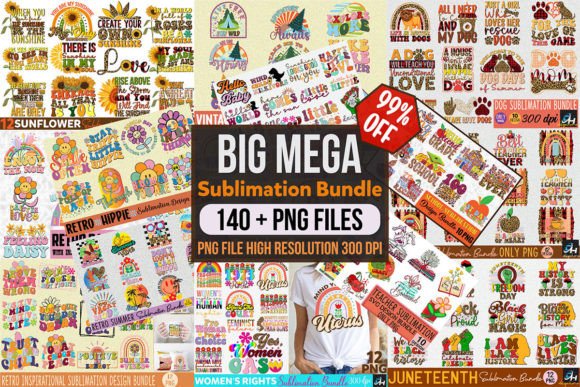
Reviewing the Big Mega Sublimation Bundle PNG for Embroidery
As a designer who spends half my life digitizing patterns and the other half stitching them out, I have learned to look past the glossy preview images. When I first encountered the Big Mega Sublimation Bundle PNG, my initial reaction was cautious excitement. The sheer volume—140 PNG files in a zipped folder at 300 dpi—suggests a massive library of potential assets. However, for those of us working in the tactile world of thread and fabric, a PNG is not an embroidery file. It is a starting point, a reference, or a sublimation transfer source. Understanding how to bridge the gap between these high-resolution graphics and a finished stitched product is where the real value lies.
First Impressions: Visual Personality and Mood
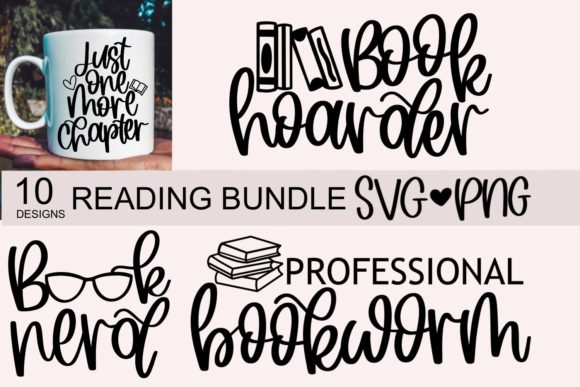
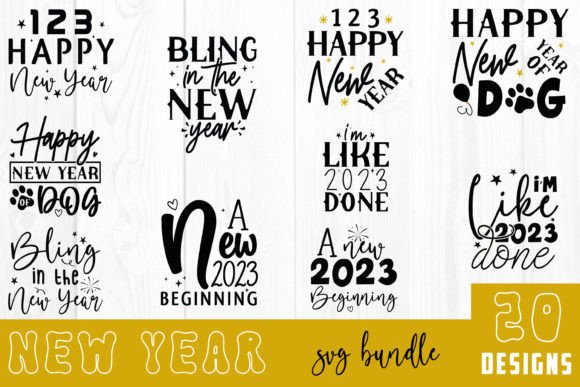
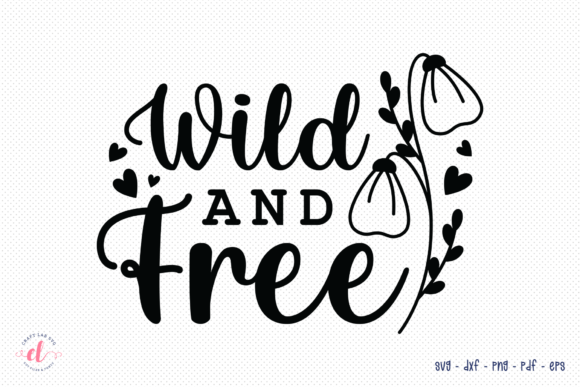
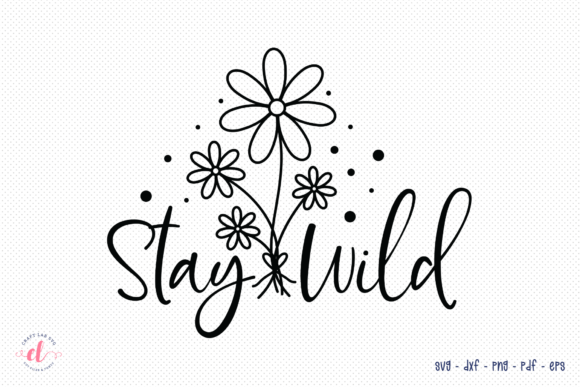
The mood created by this bundle is versatile, leaning heavily into trends that dominate current craft markets. The designs feel modern, clean, and highly adaptable. From a visual standpoint, the 300 dpi resolution ensures that edges are crisp, which is crucial whether you are printing for sublimation or using the image as a traceable guide for digitizing. The layout of the elements suggests they are meant for bold statements rather than intricate, micro-detailed lacework. This is a good thing. In embroidery, less is often more. Complex, tiny details get lost in thread texture, whereas bold shapes translate beautifully into satin stitches and fill stitches.
When I imagine these graphics applied to real-world items, I see them fitting naturally into the Crafts and Graphics sectors that drive small business revenue. They possess a commercial appeal that resonates with Etsy sellers and boutique owners looking for quick turnaround times without sacrificing aesthetic quality.
Real-World Application: The Custom Tote Bag Scenario
Let’s walk through a practical scenario. Imagine a client orders a set of personalized tote bags for a bridal party. You want to use one of the floral or typographic elements from the Big Mega Sublimation Bundle PNG. Since these are PNGs, you have two primary paths: sublimation or digitization.
If you choose sublimation, the process is straightforward. You print the PNG onto sublimation paper and heat press it onto a polyester-coated canvas tote. The result is vibrant and permanent. However, if you want the textured, premium feel of embroidery, you must treat the PNG as a reference. You would import the image into your digitizing software, trace the outlines, and create a new machine embroidery design. This is where the clarity of the 300 dpi file helps immensely. You can zoom in, see exactly where the curves should flow, and determine if a section needs a running stitch for definition or a fill stitch for coverage.
For a sweatshirt embroidery project, this approach works similarly. A bold graphic from the bundle can be digitized into an applique design. By using fabric to fill the large areas, you reduce stitch density, making the garment softer and more comfortable to wear. This is a critical consideration for custom apparel; no one wants a stiff, cardboard-like patch on their favorite hoodie.
Navigating Limitations and Fabric Choices
While the bundle offers great visual assets, we must discuss where caution is needed. Because these are not pre-digitized embroidery files, you do not have predefined stitch counts or underlay settings. This means you must make judgment calls based on fabric texture and hoop size.
For instance, if you plan to stitch these designs on stretchy fabric like a jersey t-shirt or a baby onesie, you cannot simply wing it. You must use a proper stabilizer—likely a cut-away for durability—and ensure your digitizing accounts for the fabric's pull. Tiny lettering or intricate corners in the PNGs might look sharp on screen but could become a tangled mess of thread if stitched too small. I always advise testing the design on scrap fabric first. Check the thread color contrast against your material. A design that pops on white might vanish on navy blue unless you adjust your palette.
Curved surfaces, such as caps, present another challenge. If you digitize a large graphic from this bundle for a hat, you must break it into smaller sections or simplify the design to fit the limited hoop size. Dense stitch areas on a cap can cause puckering, so reducing density and using lighter threads is essential for a professional finish.
Enhancing Product Value and Brand Consistency
Why go through the trouble of converting a PNG when you could buy a ready-made DST file? The answer lies in uniqueness and brand consistency. When you use the Big Mega Sublimation Bundle PNG as a base for your own digitizing, you create a custom embroidery project that no one else has. This exclusivity increases the perceived value of your handmade product. Customers trust artisans who offer unique designs over generic, mass-produced items.
Furthermore, these graphics serve as excellent design assets for your marketing. You can use the high-resolution PNGs to create printable mockups for your Etsy listings before you even stitch a single thread. This allows you to test customer engagement and refine your product offerings. Whether you are creating holiday embroidery for Christmas ornaments or personalized gifts for weddings, having a cohesive visual library helps build a recognizable brand identity.
Practical Notes for the Professional Designer
To get the most out of this bundle, keep these technical tips in mind:
- Verify Licensing: Before selling finished items or digital products derived from these graphics, confirm the licensing terms. The description mentions a gifted project idea and a subscription prompt, but clear commercial rights for the PNGs themselves should be verified to protect your craft business.
- Test Stitch Density: When digitizing from a PNG, start with lower density settings. You can always add more stitches, but removing them requires re-digitizing.
- Check Small Details: Zoom in to 100% on the PNG. If a line is only one or two pixels wide, it may be too thin to stitch effectively. Consider widening lines or converting them to running stitches.
- Contrast is Key: Use black and white mockups to check the readability of your design. If it doesn't look good in monochrome, it won't look good in thread.
- Fabric Compatibility: Remember that sublimation only works on synthetics or coated materials. If you are working with natural fibers like cotton aprons or linen tea towels, you must embroider or use other transfer methods.
Final Verdict for Makers and Sellers
The Big Mega Sublimation Bundle PNG is a robust resource for creative entrepreneurs who understand the workflow between digital graphics and physical production. It is not a plug-and-play solution for embroidery machines, but it is a powerful toolkit for those willing to put in the digitizing work. For the Etsy seller, the small shop owner, or the hobbyist looking to elevate their personalized gift game, this bundle provides the raw material for high-quality, professional-looking results. By respecting the limitations of fabric and thread, and by leveraging the high resolution of these graphics, you can transform simple PNGs into cherished handmade products that stand out in a crowded market.