Wake Up Hug Dog: A Designer’s Real-World Review
As an embroidery designer who has spent years digitizing files and testing them on everything from flimsy silk to heavy denim, I approach every new machine embroidery design with a mix of optimism and skepticism. We have all been there: you download a cute graphic, load it onto your machine, and watch in horror as the thread bunches up or the details vanish into the fabric grain. That is why I took a close look at Wake Up Hug Dog Have a Good Day before committing it to a client project. This isn’t just about whether the image is adorable—though it certainly is—but whether it holds up under the needle.
First Impressions and Visual Personality
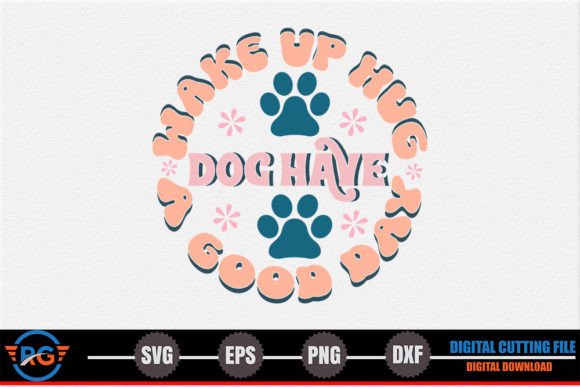
The first thing that strikes you about Wake Up Hug Dog Have a Good Day is its inherent warmth. The theme taps into the universal love for canine companions, specifically that groggy, affectionate morning moment many dog owners cherish. From a layout perspective, the design balances illustrative elements with typography. For an embroidery project, this balance is critical. If the text overwhelms the dog illustration, the charm is lost. If the dog is too detailed, it becomes a muddy mess of stitches.
In my initial assessment, the line work appears clean. The "high quality graphics" mentioned in the product description suggest that the source vectors are well-constructed. This matters because when converting these SVG files or EPS files into an embroidery file, clean paths mean fewer jagged edges and smoother curves. The mood is playful yet calming, making it a versatile asset for various Crafts categories. It does not scream for attention; instead, it invites a smile, which is exactly what you want for a personalized gift or a boutique item.
Real-World Application: The Tote Bag Test
To truly evaluate a design, you must imagine it stitched out. I visualized Wake Up Hug Dog Have a Good Day on a natural canvas tote bag design. Canvas is a forgiving fabric with a tight weave, ideal for capturing detail. In this scenario, the design would serve as a central focal point. The phrase "Have a Good Day" acts as a gentle affirmation, perfect for a daily-use item.
For an Etsy seller or small shop owner, this versatility is key. You are not limited to one product type. I can easily see this working as sweatshirt embroidery on a heather grey crewneck, where the contrast between the thread and the fabric would make the dog pop. Alternatively, it could be scaled down for a baby embroidery project, such as a onesie or a burp cloth. However, scaling requires caution. When shrinking a design for smaller items, you must ensure the stitch density remains appropriate. Too dense, and the fabric puckers; too sparse, and the backing shows through.
Considerations for Different Fabrics and Hoops
While the design is charming, practical application requires technical awareness. If you plan to use this on textured fabrics like terry cloth towels or fuzzy fleece, the finer details of the dog’s face might get lost. In such cases, simplifying the stitch types or opting for a slightly larger hoop size can help maintain clarity. For stretchy fabrics like jersey knits used in t-shirts, a proper stabilizer is non-negotiable. Without it, the tension from the stitching will distort the fabric, ruining the alignment of the text and the image.
Dark fabrics present another challenge. If you are stitching on navy or black, you need high-contrast thread colors. White or bright yellow threads would work well here, but you must ensure the design does not rely on subtle shading that disappears against dark backgrounds. Testing a mockup in black and white is a pro tip I always recommend. If the design loses its definition in grayscale, it might struggle on low-contrast fabric combinations.
Technical Insights for Digitizers and Makers
The product package includes DXF files, PNG files, and vector formats like SVG and EPS. For those who digitize their own patterns, these assets are invaluable. You can import the SVG into your digitizing software to create a custom applique design or manually assign stitch types. If you are using a pre-digitized version, check the stitch sequence. A good design will stitch the outline first, then the fill, and finally the text, or vice versa, depending on the desired effect.
Pay attention to the type of stitches used. A mix of satin stitch for borders and text, and fill stitch for the dog’s body, usually yields the best results. Satin stitches provide a smooth, shiny finish that looks professional, while fill stitches add texture and coverage. Avoid designs that rely heavily on running stitch for large areas, as they can look cheap and may not cover the fabric adequately. Since the specific stitch count and density are not provided in the description, I strongly advise running a test stitch-out on scrap fabric identical to your final project material. This step saves time, thread, and frustration.
Commercial Viability and Brand Consistency
For commercial embroidery professionals and craft business owners, the legal and aesthetic consistency of your products is paramount. Before selling finished items featuring Wake Up Hug Dog Have a Good Day, confirm the licensing terms. Many digital product sellers offer commercial licenses, but some restrict usage to personal projects. Always read the fine print.
From a branding perspective, this design fits well with businesses focused on comfort, pets, and positivity. It enhances the perceived value of a handmade product because it feels thoughtful and curated. Customers are more likely to engage with a product that tells a story or evokes an emotion. A simple dog silhouette is common, but adding the "Wake Up Hug" narrative creates a connection. This emotional resonance can drive buyer engagement and increase the likelihood of repeat customers.
Final Verdict and Practical Tips
In conclusion, Wake Up Hug Dog Have a Good Day is a strong contender for your next embroidery project. Its strength lies in its emotional appeal and versatile layout. However, success depends on execution. Here are my top recommendations for using this design effectively:
- Test on Scrap Fabric: Always run a trial on the same material you intend to use for the final product to check for puckering or thread breaks.
- Check Thread Contrast: Ensure your thread colors stand out against the fabric, especially for the text elements.
- Use Proper Stabilizer: Match the stabilizer weight to the fabric weight to prevent distortion.
- Verify Licensing: Confirm whether the license allows for commercial sales if you plan to sell the finished product.
- Consider Scale: Adjust the size based on the item. Larger for tote bags and pillows, smaller for caps and baby clothes, keeping detail visibility in mind.
Whether you are creating a holiday embroidery gift, a custom patch, or a line of small shop products, this design offers a solid foundation. With careful attention to technical details, it can elevate your design assets and result in a high-quality, professional-looking item that customers will love. Remember, the best embroidery is not just about the image, but how well it integrates with the fabric and function of the final piece.